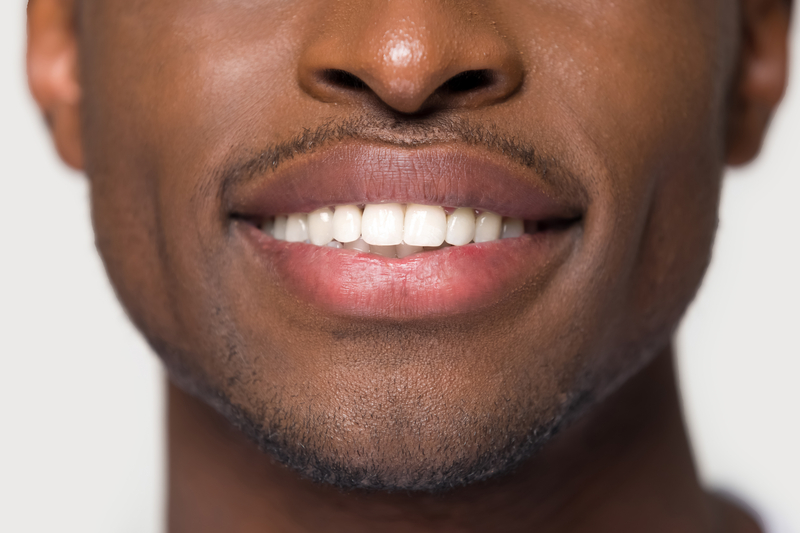
Bonding is an alternative to veneers and can be used as a restorative procedure for teeth that are chipped, cracked, discolored or misarranged.



Bonding is an alternative to veneers and can be used as a restorative procedure for teeth that are chipped, cracked, discolored or misarranged.
The tooth is prepared for the procedure by lightly etching the surface and applying a bonding liquid. Once the liquid sets, a plastic resin is applied and sculpted into the desired shape by the dentist. Once set, the resin is trimmed, smoothed and polished to a natural appearance.
The bonding procedure can often be completed in a single office visit, and can improve the appearance of a tooth significantly. However, since the plastic resin used is not as strong as your natural tooth enamel, it is more likely to stain, chip or break than natural teeth. Bonding typically lasts three to five years before need of repair.
Both improve the front of your smile. The difference is how long they last and how much they cost to maintain.
| Comparison point | Bonding | Porcelain Veneers |
|---|---|---|
| What it is | A plastic resin applied and sculpted directly onto the tooth | Thin shells of ceramic bonded to the front surfaces of the teeth |
| Visits | One | |
| Lasts | Three to five years before need of repair | Well over a decade with proper care |
| Stain resistance | Not as strong as natural enamel, more likely to stain, chip or break | Highly resistant to coffee, tea, or even cigarette stains |
| If damaged | Repaired or replaced at the next appointment | Usually possible to replace only the veneer involved |

[contact-form-7 id="11821" title="Form Popup LandingPage"]