

Does dental insurance cover implants for patients in Stamford, CT? Sometimes, and usually only in part. Many plans pay little or nothing toward the implant itself, yet still help with the exam, the extraction or the crown.
The real answer sits on your benefits sheet. Five details decide most outcomes: whether implants are listed, your yearly maximum, your waiting period, a missing tooth clause, and any rule that pays for a cheaper option instead. Patients in Greenwich, Darien and Norwalk run into the same five.
Does dental insurance cover implants in Connecticut?
Most dental plans treat implants as a major service. Major services are usually paid at a lower percentage than cleanings or fillings. Some plans exclude implants completely. Others cover them only after other conditions are met.
Plans sold in Connecticut work much like plans anywhere else. A policy from an employer, a union or a private marketplace can look very different from the next one. That is why a neighbor’s coverage tells you little about yours.
Plans often cap or exclude implants because the treatment costs more than most routine care. A yearly limit that easily covers cleanings and fillings can run out quickly once implant care begins. Knowing that in advance helps you plan, instead of reacting to a surprise bill.
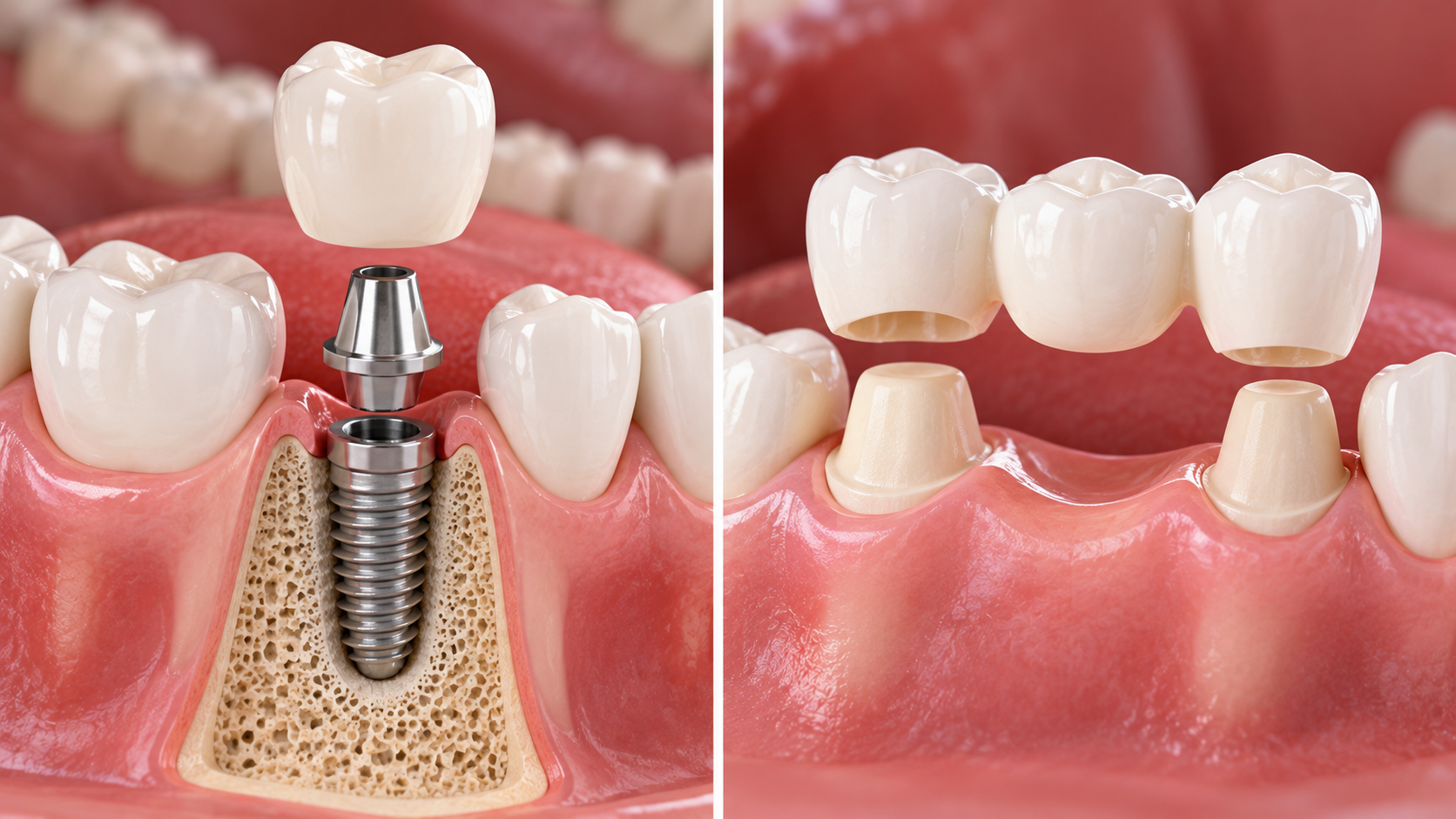
The honest answer to does dental insurance cover implants is often yes for some steps and no for others. A plan may pay toward the tooth removal, the surgery, the abutment (the small connector piece) or the crown, but not all four. Ask about each step by name. If your jaw needs extra support first, read about bone grafting before a dental implant so you know that step may be billed on its own.
The care itself happens in stages. Newfield Dental’s dental implants page explains that most patients need two surgical procedures, and that the full process usually takes six to eight months. Each stage can be a separate claim.
Different offices may bill different stages. The same page says your evaluation is handled by Dr. Stephen Poon at Newfield Dental or by an oral and maxillofacial surgeon the practice refers you to. Ask which office bills which stage, and whether that office is in your network.
The plan terms that change what you pay
Five terms shape the final bill. Each one can move your share by hundreds of dollars, so each deserves a direct question to your insurer.
| Plan term | What it means for an implant | What to ask |
|---|---|---|
| Implant coverage | Implants may be covered, limited or excluded | Is the post covered, or only the crown? |
| Annual maximum | The most the plan pays in one plan year | How much of my maximum is left? |
| Waiting period | A set time before major services are paid | When does my major coverage begin? |
| Missing tooth clause | Some plans deny a tooth lost before you enrolled | Was my tooth already missing at enrollment? |
| Alternate benefit | The plan pays what a cheaper option would cost | Will you pay at the bridge rate instead? |
Common dental plan terms. Your own plan documents set the exact rules.
Annual maximum
The annual maximum is the cap on what your plan pays in one year. According to the American Dental Association, a common $1,000 limit was set about 40 years ago, and some plans now offer $2,000 or more. Implant care spread over many months can fall into two plan years. Ask how the timing of each stage would work with your cap.
Waiting periods
Many plans make new members wait before they pay for major work. The wait often runs from several months up to a year. Your benefits booklet lists the exact term. If you are about to change jobs or plans, check the new waiting period before you schedule surgery.
Alternate benefits
Some plans pay only what the least costly treatment would cost. For one missing tooth, that is often a bridge. You then cover the gap between the bridge rate and the implant fee. Newfield Dental’s dental bridges page shows what that lower-cost option involves, so you can compare both sides fairly.
In-network and out-of-network care
In-network offices have agreed on fees with your plan, so your share is usually lower. Out-of-network care can cost more, and the plan may pay a smaller portion. Ask about both the dentist and any referred surgeon, since they can be billed under different networks.
Does dental insurance cover implants if the tooth is already missing?
A missing tooth clause can deny coverage for a tooth you lost before your plan began. If you lose a tooth after enrolling, the plan may treat the implant like any other major claim. If the tooth was already gone, ask your insurer in writing whether the clause applies.
The extraction is a separate question. Many plans pay for tooth extractions even when they skip the implant. If you still have the damaged tooth, ask what the plan pays before it comes out and what it pays after.
Dates matter here. Keep the date of your extraction, your enrollment date and the date of your last exam. These three dates settle most missing tooth disputes.
Newfield Dental · Stamford, CT
Not sure what your plan will pay toward an implant? Bring your insurance card to a consultation at Newfield Dental in Stamford and our team will help you read your benefits.
Other ways to pay for implants
When the answer to does dental insurance cover implants is no, other routes can still help. None of them is guaranteed, so confirm each one before treatment starts. Waiting for a new plan year can help in some cases, but coinsurance still applies, so run the numbers before you postpone care.
Many people use a flexible spending account or a health savings account for dental care. Account rules differ, so ask your plan administrator first and keep itemized receipts. Medical insurance may help when tooth loss comes from an accident or a medical condition. That coverage is the exception, not the rule.
Newfield Dental also has a financing page for patients who want to review payment options. Staged care can also help. Because treatment unfolds over several months, some patients plan their payments around each stage.
What to ask before you book
Start with a pre-treatment estimate, which some plans call a predetermination. Your dentist’s office sends the planned procedures to your insurer, and the insurer replies with what it expects to pay. Ask for the reply in writing.
Then ask your plan these questions:
- Are implants covered, limited or excluded?
- How much of my annual maximum is left?
- Does a waiting period or a missing tooth clause apply?
- Are the surgery, abutment and crown paid as separate items?
- Will the estimate come to me in writing?
So, does dental insurance cover implants on your plan? The answers above tell you. Newfield Dental’s team works with patients to maximize insurance reimbursement for covered procedures, and the office shares details on its insurance information page. Bring your plan details to your first visit so the team can review them with you.
Frequently asked questions
Does dental insurance cover implants for seniors on Medicare?
Original Medicare generally does not cover routine dental care, which includes most implants. Some Medicare Advantage plans add dental benefits, but limits vary widely. Read the dental section of your plan, then ask your dental office to help you interpret it.
Does dental insurance cover the crown on an implant?
Many plans that skip the implant post still pay part of the crown, because crowns are a common covered service. Others place every implant part under one exclusion. Ask whether the surgery, abutment and crown are priced as separate line items.
How long is the waiting period for implant coverage?
It varies by plan. Many plans make members wait from several months up to a year before paying for major services. Your benefits booklet lists the exact term, and your insurer can confirm it by phone.
Can I use an HSA or FSA for dental implants?
Many people can use these accounts for dental care, but account rules differ. Ask your plan administrator before you pay. Keep itemized receipts from every stage of treatment so you can submit them.
Ready to see what your plan will pay? Schedule a consultation at Newfield Dental in Stamford or call us at (203) 883-6967. We welcome patients from New Canaan, Norwalk and across Fairfield County, and we will walk through your benefits with you before treatment begins.